
What Are LED Lights?
LED stands for Light Emitting Diode — a type of lighting technology that produces light when electricity passes through a semiconductor.
Key Features of LED Lights
- Energy-efficient: They use much less power than traditional halogen or incandescent bulbs.
- Long-lasting: LEDs can last tens of thousands of hours, often much longer than older lighting types.
- Bright and efficient light output: They produce strong, clear illumination with less heat and power draw.
- Versatile: Used in many places — from household lighting to automotive lights, work lights, and outdoor lighting.
In vehicles, LED lights appear as:
- Headlight bulbs or complete assemblies (replacing old halogen headlights)
- Brake lights, indicators, interior lights
- Auxiliary lights and accessories (like light bars and driving lights)
🚗 What Are LED Light Bars?
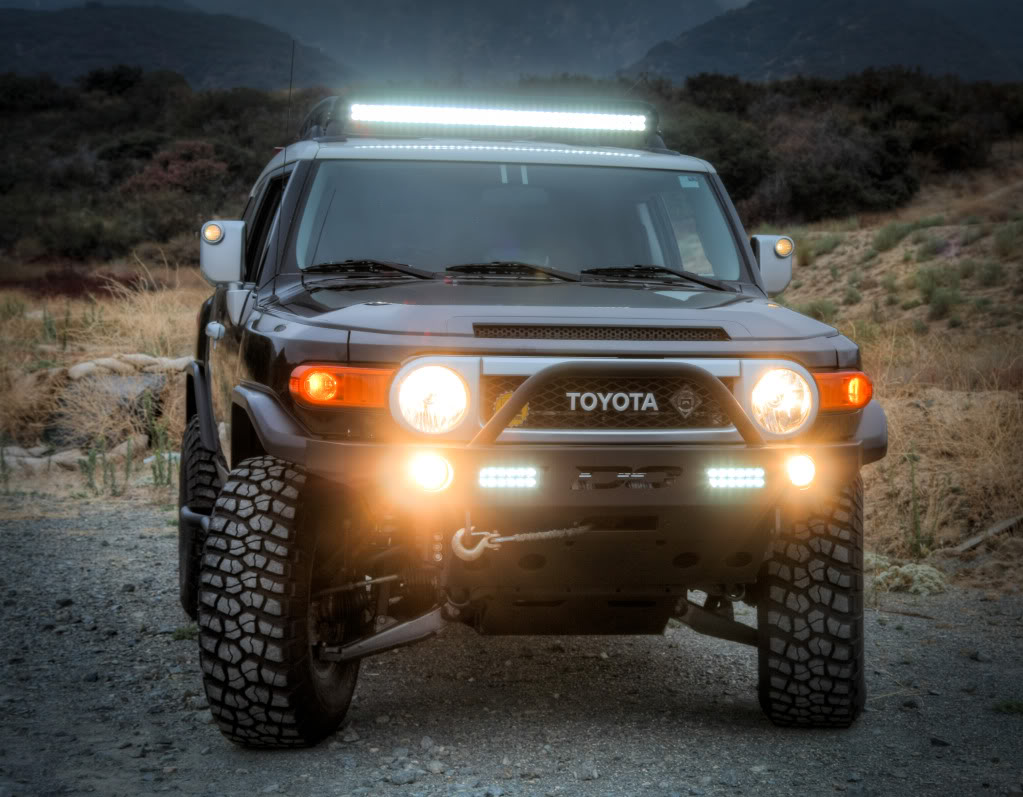
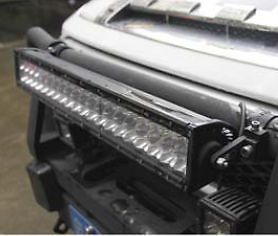
An LED light bar is a specific type of LED lighting — basically a long, narrow fixture that houses many LED chips in one unit.
 4
4
What They’re Used For
LED light bars are mainly used to provide extra illumination, especially in conditions where regular headlights aren’t enough:
- Off-road driving — helps you see track features and obstacles at night.
- Rural roads/country driving — improves visibility where there’s no street lighting.
- Worksites and agriculture — illuminating fields, yards, or machinery areas.
- Emergency or service vehicles (some types) for visibility.
Design and Function
- They contain many LEDs lined up to create a broad or powerful beam of light.
- Some are designed for wide-area flood lighting (good for close-range illumination), and some for spot lighting (reaches further ahead).
- They’re typically mounted on the front of a vehicle — on bull bars, roof racks, or bumper brackets.
🛣️ How LED Light Bars Are Regulated in Australia
In Australia, you can use LED light bars on vehicles, but there are important regulations you must follow, especially on public roads:
General Rules (State & Territory)
These rules can vary slightly by state, but common requirements include:
- Must only operate with the vehicle’s high-beam headlights — i.e., they should switch on only when high beams are on.
- Cannot dazzle other drivers, meaning light must be aimed properly and not cause glare.
- Placement rules: They must be forward-facing, not obscure the driver’s vision, and typically mounted symmetrically.
- Limits on number: Often a maximum of four additional driving lights (including LED light bars).
- Mounting considerations: Some states don’t allow light bars to protrude dangerously or stick out above certain heights.
Check local vehicle standards rules before installing because each state and territory has specific details.
📌 Important Safety & Legal Notes
- LED light bars are not replacements for standard headlights — they’re supplemental lighting.
- They must not be used in ways that dazzle other road users or break vehicle lighting standards.
- In some situations (private property, off-road only), restrictions are more flexible, but you still need to follow manufacturer and safety guidance.
🚘 Summary
TermWhat It IsCommon Use in AustraliaLED lightsLight emitting diode lighting technologyGeneral lighting, vehicle lights, work lightsLED light barsLong strip of multiple LEDs in one housingAuxiliary vehicle lighting, off-road illumination
LED headlights have become more popular in the last few years, popping up on everything from new cars to DIY upgrades for older rides. These headlights might look a bit futuristic, but there’s a lot of practical tech going on inside them. If you’re new to the world of car lighting, you’ll find LED headlights to be a smart, modern choice for better visibility and style’s sake.
How LED Headlights Work
Here’s a simple breakdown. When current passes through an LED chip, it gives off light. Headlight makers arrange groups of these chips in patterns or arrays, then add lenses or reflectors to shape and aim the beam so you can see the road without blinding everyone else.
- LED Chip: The main part that glows and creates light.
- Heat Sink: A metal part that keeps the LEDs cool, helping them last longer.
- Driver: An electronic circuit that controls the power going into the LED chips.
LED headlights tend to light up instantly. There’s zero warm-up time, and they’re pretty tough since there are no filaments or fragile parts inside. Hitting a big pothole or speed bump won’t knock out an LED as easily as old-style bulbs. In addition, drivers notice less flickering and a more consistent light output with LEDs, which adds peace of mind during bad weather or long road trips.
LED Headlights vs Traditional Headlights
Automakers originally used halogen bulbs for most vehicles. Then, HID (High Intensity Discharge or xenon) headlights entered the scene, giving a brighter, bluish-white light. Now, LEDs offer a mix of efficiency, sharp design, and a wide range of beam shapes and styles.
- Halogen: These are cheaper, but draw more power and their yellowish light isn’t very bright.
- HID: Much brighter with a blue hue, but can be pricey, need time to warm up, and sometimes cause unwanted glare.
- LED: Save energy, last longer, and give off a crisp white light. They can be put into small, unique shapes, giving car designers freedom to create eye-catching new headlight looks.
LEDs usually outlast both halogen and HID options. While a halogen bulb might last 500 hours and an HID bulb about 2,000, a quality LED can keep shining for 10,000 hours or more. That’s years of not needing to think about headlight replacements.
Main Benefits of Switching to LED Headlights
If you’re wondering if upgrading to LEDs is worth it, here are some reasons they tend to win car owners over:
- Improved Visibility: LED headlights throw a whiter, brighter, and more focused beam, turning nighttime driving into a safer and less stressful experience.
- Energy Efficiency: LEDs draw less power from your battery, which can help with fuel economy in the long run, especially if you drive a hybrid or electric car.
- Long Lifespan: Fewer replacements save you money and hassle. Swap your bulbs once and forget about them for years.
- Modern Look: Those crisp lines of light don’t just look cool; they add a fresh style factor to cars old and new alike.
- Flexible Sizing: LEDs are small, allowing designers to put together sleek or complex headlight shapes that just weren’t possible with older bulbs.
Besides the above, LEDs are also less likely to get damaged by bumps, making them ideal for city potholes or rural dirt roads. The instant-on feature ensures you won’t be left in the dark if you have to flash your brights quickly, and they can even be used in special adaptive setups for smarter lighting on the road.
Heat Management Details
I recall installing a budget LED kit in my friend’s older sedan; without a proper heat sink, it only lasted about two months before one side started flickering. Spending a little extra for a kit with a sturdy cooling fan made a real difference and solved the problem for good.
Compatibility and Beam Pattern
Beam pattern matters a lot. If it’s off, you could annoy other drivers or even make things worse for yourself at night. When picking out a kit, check reviews to see if the beam is aimed right or if you’ll need extra adapters for your car’s headlights.
How to Upgrade to LED Headlights: Simple Step
Choose a Reputable Brand: Well-known brands offer better reliability and customer support than off-brand kits.
- Follow Instructions Carefully: Most kits include step-by-step guides. Remember to disconnect your battery before starting for extra safety.
- Adjust Aim and Pattern: After installing, make sure your light beams are pointed correctly. Many repair shops can do a quick headlight aim adjustment if you’re unsure.
- Follow Local Laws: Some regions have rules about the color or brightness of aftermarket lights. Check with your local auto shop or do a quick search to avoid problems.
A lot of YouTube tutorials show these steps if you learn better visually. And if it feels overwhelming, many auto shops offer LED kit installation at reasonable prices, sparing you the hassle.
1. Australian Design Rules (National Vehicle Standards)
Australian Design Rules (ADRs)
Australia sets national vehicle lighting standards called Australian Design Rules (ADRs), which all vehicles and lamps must meet if they are to be used on public roads. These include:
- ADR 13/00 – Installation of lighting and signalling devices.
- ADR 46/00 & ADR 103/00 – Requirements for headlamps and lamps that illuminate the road.
- ADR 101/00 – Technical requirements specifically for LED light sources (being adopted).
These standards ensure lights provide proper colour, intensity, beam pattern and positioning so they don’t dazzle other road users and aid visibility. Lamps that do not comply cannot legally be installed on a road-registered vehicle unless appropriately certified.
💡 2. Headlights & LED Replacement Bulbs
OEM vs Aftermarket
- LED headlights supplied by the manufacturer (OEM) and integrated into the vehicle’s lighting design are generally ADR-compliant.
- Retrofit LED bulbs (e.g., swapping halogen bulbs for cheap LEDs in stock headlight assemblies) are often not ADR-approved and can render the headlamp non-compliant — meaning the car could fail inspection or be illegal to drive.
Colour & Function
- Headlights must emit white light and be correctly aimed to avoid dazzling other road users.
- Usage rules still apply: don’t use high beams within 200 m of another vehicle or where they could dazzle drivers. (General road rule, varies by state.)
🔦 3. Auxiliary Lights, Driving Lamps & LED Light Bars
In Australia, additional forward-facing lights (spotlights, LED light bars, driving lamps) can be legally fitted if they meet specific criteria:
General Fitment Rules (Typical Across States/Territories)
These commonly apply in NSW, QLD, SA, ACT and others:
✔ Allowed If:
- Lights face forward and emit white light only.
- Mounted on the front of the vehicle.
- Maximum of four auxiliary driving lamps allowed per vehicle — an LED light bar counts as one lamp if all LEDs switch on together.
- Must be wired so they can only operate with main (high-beam) headlights and must turn off when the high beams are off.
- Must be installed in a way that does not dazzle the driver or other drivers.
- If fitted in pairs, they must be symmetrical about the centre line; a single LED light bar must be centrally mounted.
⚠ Restrictions or Conditions
- Lights must not interfere with the driver’s view of the road.
- In some states (like South Australia), lights must not protrude forward of the bumper or bull bar, and must not be mounted above certain points.
- Mounting on roofs is allowed in some jurisdictions (e.g., ACT, QLD) but must still follow the visibility and glare requirements.
🛠️ 4. Usage Rules on the Road
Note: Individual states/territories enforce these through road rules.
High Beam & Dazzle Rules
- Driving lamps and spotlights must only be used where legally permitted and must not dazzle or blind other drivers. For example, in NSW, using auxiliary lamps where they could dazzle other road users (including in built-up areas or near other vehicles) is an offence.
Improper Light Use & Penalties
- Fitting non-compliant lights (wrong colour, too bright, not ADR-approved) or using lights improperly can result in fines and defect notices. Public safety and avoiding distraction/dazzle are key priorities.
📌 Summary: What You MUST Know
CategoryLegal RequirementsHeadlights / LED BulbsMust be ADR-approved and properly aligned; retrofit LED bulbs often illegal without certification.LED Light Bars & Driving LampsUp to 4 auxiliary lights per vehicle; must be white, front-facing, symmetrical, and only operate with high beams.Dazzle & UsageMust not dazzle other road users; improper use can lead to fines or defect notices.
🧠 Key Takeaway
Australia’s vehicle lighting laws are based on national ADR standards plus local state/territory vehicle standards and road rules. LEDs are legal if they meet design and installation requirements, but non-ADR aftermarket lamps and retrofit bulbs often aren’t road-legal.
If you’re planning to fit new LED lights or light bars, always check:
✅ that the lamps themselves are ADR-compliant, and
✅ your state or territory vehicle standards on fitment and use before driving on public roads.
Real-World Uses and Upgrades
LED headlights are more than just stylish additions—they actually make a difference for daily drivers, commuters, and even offroad fans. For example, night drivers often report feeling less worn out thanks to better light. Offroad drivers count on instant bright light and hardy construction for tackling tough conditions.
- Everyday Commuting: LED lights help cut fatigue at night, and the steady white beam makes city streets and highways easier to see.
- Reliability: If you keep cars for a long time, not needing yearly bulb replacements saves both money and hassle.
- Popular Upgrades: Adding an LED kit is among the easiest ways to boost both looks and function in older cars—one of the most popular mods out there.
Some luxury brands equip cars with adaptive matrix or smart LED systems. These setups can shift the light beam to avoid blinding other drivers while still giving you a bright road ahead. As this tech spreads to more affordable models, you’re likely to see it on mainstream cars in the near future.
Quick Tips Before Upgrading
- Double-check your bulb size and look up fitment advice in forums and online guides.
- Don’t pick the cheapest option—solid brands with clear warranties and lots of positive reviews are worth it.
- Take your time on the install, and ask for help if you hit a snag or don’t feel confident about any step in the process.
Switching to LEDs isn’t very technical, but planning ahead saves you time and money, while ensuring your upgrade is safe and problem free.
Wrapping Up
LED headlights are a giant leap for car lighting, bringing brighter roads, fewer replacements, and a sleek upgrade to just about any vehicle. Whether you’re driving something new or want to refresh an aging set of lights, LEDs are definitely an option to check out if you value clear night vision or want a modern style boost. As long as you pay attention to quality, fitment, and the legal side, you’ll enjoy reliable and sharp-looking headlights for the road ahead.