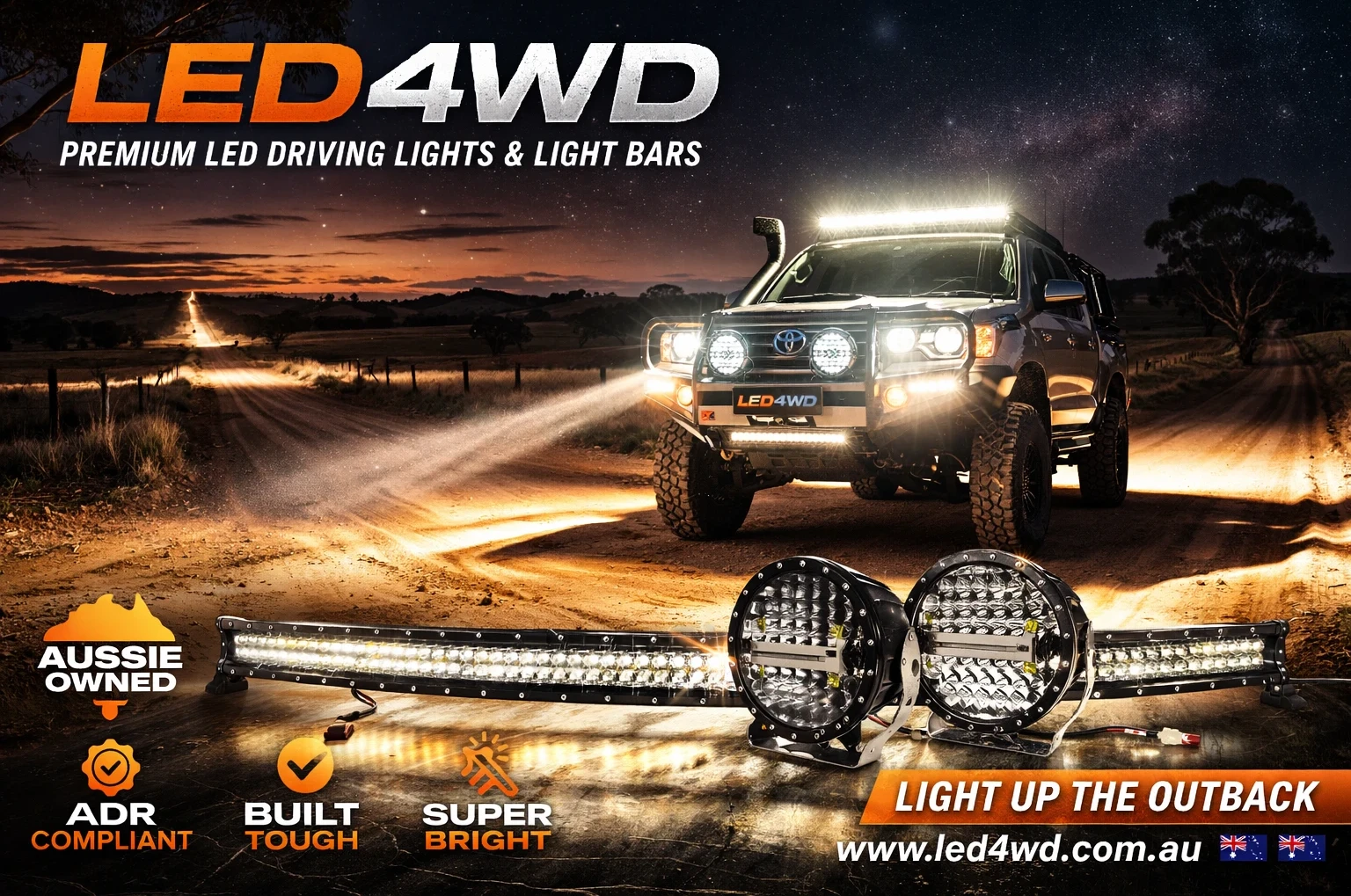
LED driving lights and LED light bars pop up everywhere across Australia’s highways and backroads. If you spend time behind the wheel at night or even just in unpredictable weather, you’ve probably noticed just how big of a difference the right lighting makes. Picking between LED driving lights and LED light bars isn’t always straightforward, especially with so many brands and styles on the market. I’ll break down how each option works, where they shine, and a few things to think over before spending your hard-earned cash.
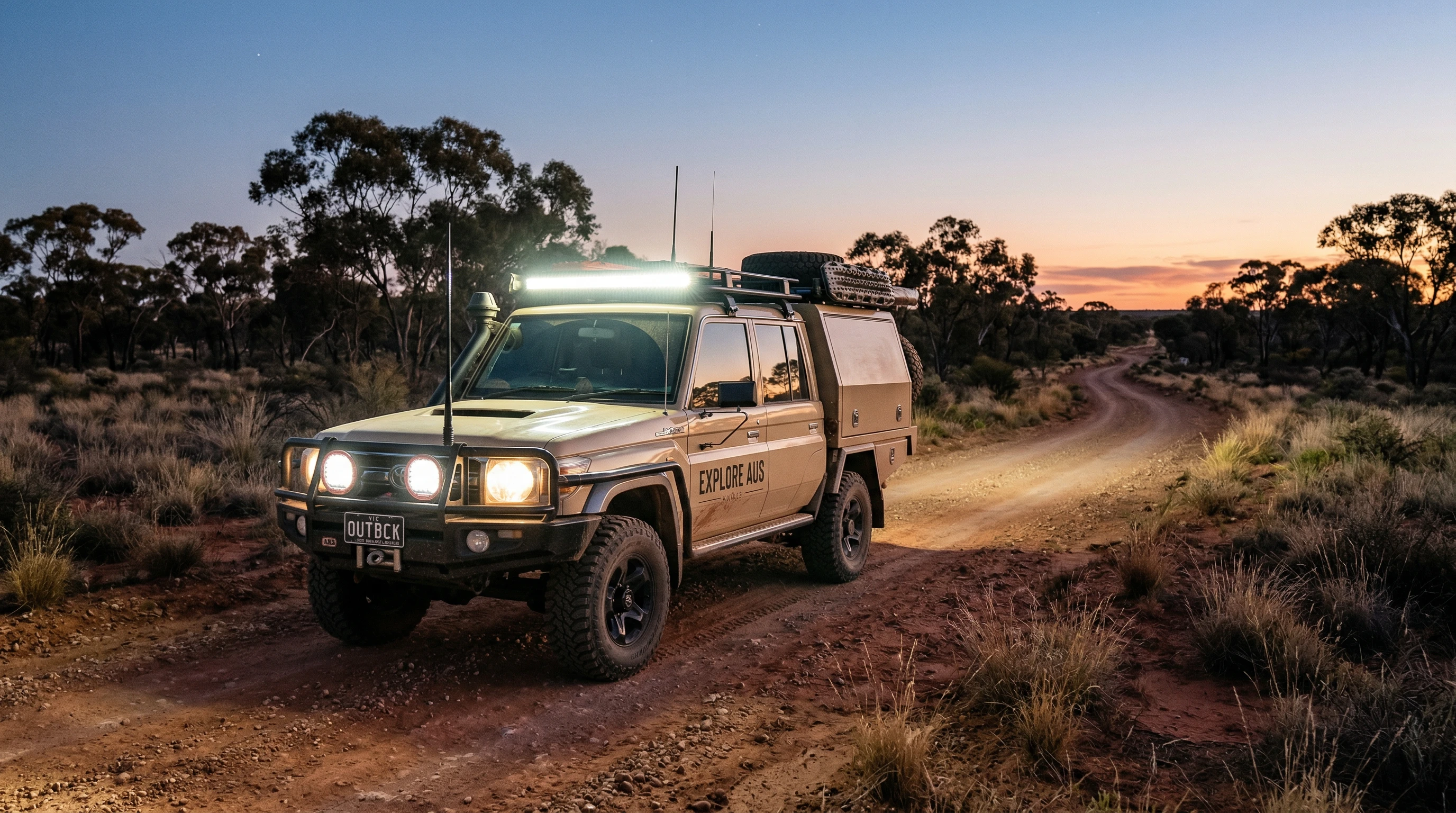
What Are LED Driving Lights and LED Light Bars?
Both LED driving lights and LED light bars boost your visibility when standard headlights just don’t cut it. While they look different, their purpose is the same. They help you spot obstacles, animals, and other drivers sooner—even on pitch-black roads. But, the way each style tackles lighting is pretty unique.
LED driving lights usually come as round or sometimes rectangular pairs that sit on your vehicle’s front bar or grille. They’re designed to project focused beams of light out in front and down the road. Most of the time, you’ll spot these on utes, 4WDs, and trucks, especially for folks who drive long regional routes.
LED light bars look just like they sound: a strip or bar of LEDs that can range from compact 6-inch setups to massive 50-inch rigs. Mounting options are super flexible, and they throw out light in a wide, even spread. Offroaders and those heading out to remote tracks love the extra coverage light bars provide.
Why Proper Lighting Matters on Aussie Roads
If you’ve ever nearly missed a kangaroo on a rural road, you understand just how helpful top-tier lighting can be. Wildlife is a big problem after dark, and unpredictable weather can cut visibility fast. Standard headlights might meet legal requirements, but they don’t always offer enough punch for rural and regional driving.
Better lighting helps you:
- Spot hazards earlier: Extra seconds can mean the difference between a near-miss and a serious accident, especially with animals or sudden bends in the road.
- See further and wider: Surfacing potholes, wandering livestock, and brokendown vehicles are a lot easier to notice.
- Reduce eye fatigue: Upgraded lighting can cut down strain if you’re doing long trips, so you feel less tired at the end of a night drive.
How LED Driving Lights Work (and Why Drivers Like Them)
LED driving lights focus light in a tight, far-reaching pattern. Most setups offer a choice between a pencil beam (for serious distance) and a spread beam (for broader illumination closer to the vehicle). Heaps of brands blend both, giving you a combo pattern that lights up what’s ahead and what’s around the edge of the road.
What I personally like about LED driving lights is just how far you can see when they’re switched on—it’s like turning night into day hundreds of meters ahead. Modern versions are seriously tough too. Waterproof, dustproof, and built to survive corrugated roads or surprise dunks in creek crossings.
The round design also has a practical side. It concentrates light more efficiently, so if you mostly drive on wideopen highways, you’ll get plenty of warning before a roo or an unexpected sharp turn comes up.
Understanding LED Light Bars and Their Benefits
LED light bars excel at lighting up wide sections of the road or track. Unlike round driving lights, which punch light out straight ahead, light bars throw out a broad, even blanket that covers the road verges. That makes spotting eyes in the bush or tracks that fork left or right a lot less stressful.
If you drive on winding country lanes, backtoback dirt tracks, or work in rural areas, the even spread of light bars is super useful. They don’t usually reach as far down the road as driving lights, but they make up for it with that panoramic coverage. Some setups even use dualrow LEDs to balance out flood and spot beams within the one bar.
Comparing the Two: Which is Better for Your Needs?
I get asked all the time which is better, but the real answer depends on where, and how, you drive. Here’s a bit of a cheat sheet to help you out.
- For long, straight country roads: LED driving lights, especially pencil beam types, help you see further ahead. Perfect for the outback, highways, and spots where you need to spot things far in advance.
- For winding bush tracks and offroading: LED light bars put light all around you, making tight corners and unexpected obstacles easier to dodge. If you’re stationary at campsites or working outdoors at night, the high spread coverage also comes in handy.
- For a mix of both: Lots of drivers—including me—fit both. A combo of two round driving lights and a smaller LED light bar can give the best of both worlds. Driving lights provide distance, while the light bar fills out the sides and closeup areas.
Things to Think About Before Buying
Choosing between LED driving lights and light bars isn’t just about looks or price. Here are a few points I always recommend thinking over:
- Mounting space: Some vehicles have limited spots to mount big lights. A large 50inch bar won’t fit everywhere, and heavyduty round lights need proper brackets.
- Local laws: States and territories in Australia have slightly different rules about aftermarket lighting. For example, light bars need to be roofmounted a certain way, and you might need to wire everything up so extra lights only switch on with your high beams. It’s a good idea to check your local regulations before doing any installs.
- Wiring and installation: Proper relays, switches, and quality wiring kits make all the difference. I always use waterproof connectors and make sure everything is fused for safety.
- Your budget: Cheap lights might light up a shed, but midrange or reputable brands almost always last longer and give you more usable light. Watch out for claims of silly lumen numbers, look at beam photos or realworld reviews if you can.
Durability and Weather Resistance
I’ve seen plenty of lights conk out after a good dust storm or a few creek crossings. Good quality lights come with solid waterproof and dustproof ratings (often listed as IP67 or IP68). Aluminium housings and polycarbonate lenses hold up way better on corrugated roads or when the weather gets tricky.
RealWorld Experiences on Aussie Roads
Here’s the thing about driving in Australia: conditions change every few hundred kilometres. On last year’s loop through the Flinders Ranges, I relied mostly on my driving lights for the wideopen highways but felt thankful for my light bar during rough camping or those twisty bits through the ranges. I know plenty of folks up north who swear by running both, just for peace of mind if nothing else.
Advanced Tips and AddOns for Even Better Lighting
Adding a few smart extras or setup tweaks can take up your lighting even more:
Get your angle right: Aim your lights so they illuminate the road without dazzling oncoming drivers. Most top brands have adjustable brackets, making this one pretty simple.
Consider color temperature: Most Australian drivers go for LEDs in the 5000K–6000K range (think crisp white light), but some lights offer a yellow tint that can cut through fog and heavy rain better.
Look for combo beam patterns: Some driving lights and light bars mix pencil and spread beams in a single unit, which is pretty handy for mixed road trips where you want both reach and side coverage.
Use quality accessories: Investing in sturdy mounting brackets, waterproof wiring harnesses, and fuses sets you up for long-term reliability. You can also add protective covers to your lights, especially if you do a lot of gravel or highway driving where rocks can chip the lens.
Keep them clean: Dust, bugs, and mud can reduce your lights’ effectiveness. Regularly wipe down the lenses to keep your beam crisp and bright. After offroading, give the lights and connections a once-over to make sure nothing’s come loose or gotten damaged.
Consider switching locations: Some drivers experiment with swapping the positions of light bars and round lights (roof, bull bar, or bumper). Sometimes even raising or lowering a light bar by a few centimeters can improve your forward vision dramatically, especially if you find reflections off the bonnet distracting at certain angles.
Common Questions Drivers Have
Do extra lights drain my car battery?
Most LEDs are much more energy efficient than oldschool halogens. As long as they’re fitted well and the alternator is healthy, running a few lights for night driving won’t leave you stranded.
Can I install my own lights?
Plenty of kits come with plugandplay wiring, but if you’re not sure, professional fitting is worth the cost. Dodgy wiring can leave you in the dark or create safety issues.
Are LED lights legal everywhere?
The short answer is yes, if you follow local regulations about mounting and switching. Always check state guidelines before putting lights on your roof or grille, just to be on the safe side.
Choosing the Best Option for Australian Roads
LED driving lights and LED light bars both make nighttime and long distance driving on Australian roads a whole lot safer. The right setup for you usually depends on what you drive, where you travel, and how much extra light you really need. Some drivers go allin with both kinds, while others keep things simple with just one quality pair or bar. Either way, upgrading your lights is one of those tweaks you notice every time you hit the road at night. Once you try it, you probably won’t want to go back.